
Light and the faculty of vision have been subjects of considerable interest from antiquity on. This course will trace the development of the science of optics and the growth in our understanding of the nature of light from the first, groping ideas of the Ancient Greeks up through the work of Kepler, Descartes, Newton, Huygens, Young, Fresnel and others.
We will proceed hierarchically, and our focus will be on understanding how our ideas about the physical nature, properties and behavior of light were built up step by step, with each new development growing out of the context set by previous discoveries and grounded at every stage in perceptual observation.
Note: There have been a few updates to “Access Opens” and “First Live Session” dates for this course since its initial listing.
Choose the semester that fits your schedule at checkout.
Join live online classes and participate in the discussion.
Can’t join the live class? Watch all classes anywhere, anytime.
Be a graded student and submit assignments for feedback from expert faculty—or audit and simply enjoy the content and discussions for personal enrichment.
All courses include access to top-notch coaches, who help you set goals, stay on track, and apply what you’re learning to career or intellectual pursuits.
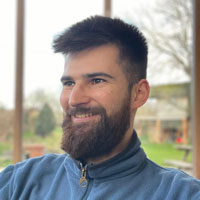


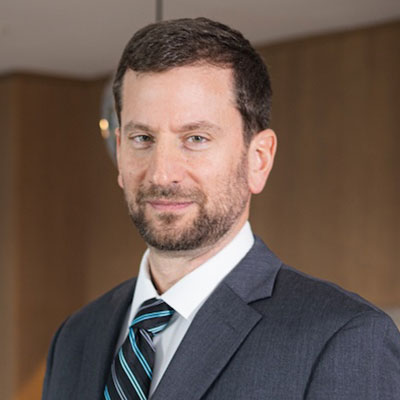
Keith Lockitch
ARI reserves the right to cancel or reschedule live courses. Students have the option to be refunded, credited, or transferred to another course should this occur.
The decision to be a graded student or auditor must be made at the outset of a course, via the pre-course survey sent after purchase.
ARI Live Courses are for avocational and professional development purposes. They are not licensed and not accredited.
ARI Live Courses participants must abide by our Code of Conduct and Confidentiality policies, and any other course policies communicated to participants.
This course is the third in a series of courses on the hierarchical growth of science, but the previous courses, while recommended, are not required prerequisites. A basic knowledge of high school mathematics is strongly recommended. Also, some optional topics in the course will presuppose an exposure to elementary calculus.
We offer foundational courses in Objectivism and objective communication each year, as well as courses in special topics such as epistemology, literature, business, and intellectual history.