
This course examines one of the most powerful—and most misunderstood—forces shaping the modern world. From the goods we use every day to the structure of entire economies, the fruits of global trade have transformed how people produce, specialize, and prosper. This course explores why trade works, how it evolved across civilizations, and what it reveals about the nature of wealth creation and human cooperation.
Blending economic principles with historical analysis, the course challenges zero-sum views of trade, protectionist myths, and the recurring fear that globalization impoverishes nations. It shows how voluntary exchange, specialization, and comparative advantage drive progress across borders—and how political intervention, from tariffs to industrial policy, distorts those benefits. The result is a principled framework for understanding globalization not as a threat to national prosperity, but as a profound expression of human rationality, productivity, and freedom in action.
Choose the semester that fits your schedule at checkout.
Join live online classes and participate in the discussion.
Can’t join the live class? Watch all classes anywhere, anytime.
Be a graded student and submit assignments for feedback from expert faculty—or audit and simply enjoy the content and discussions for personal enrichment.
All courses include access to top-notch coaches, who help you set goals, stay on track, and apply what you’re learning to career or intellectual pursuits.



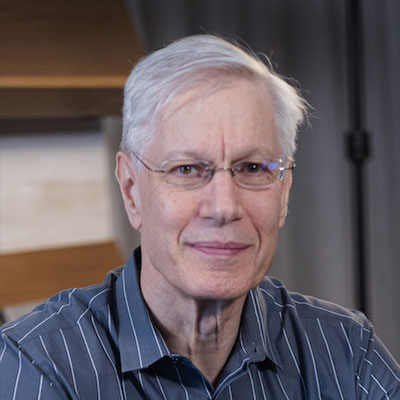
Yaron Brook
ARI reserves the right to cancel or reschedule live courses. Students have the option to be refunded, credited, or transferred to another course should this occur.
The decision to be a graded student or auditor must be made at the outset of a course, via the pre-course survey sent after purchase.
ARI Live Courses are for avocational and professional development purposes. They are not licensed and not accredited.
ARI Live Courses participants must abide by our Code of Conduct and Confidentiality policies, and any other course policies communicated to participants.
Students should have some familiarity with Rand’s books and ideas, and at minimum should have read Atlas Shrugged and The Fountainhead before starting the course.
We offer foundational courses in Objectivism and objective communication each year, as well as courses in special topics such as epistemology, literature, business, and intellectual history.